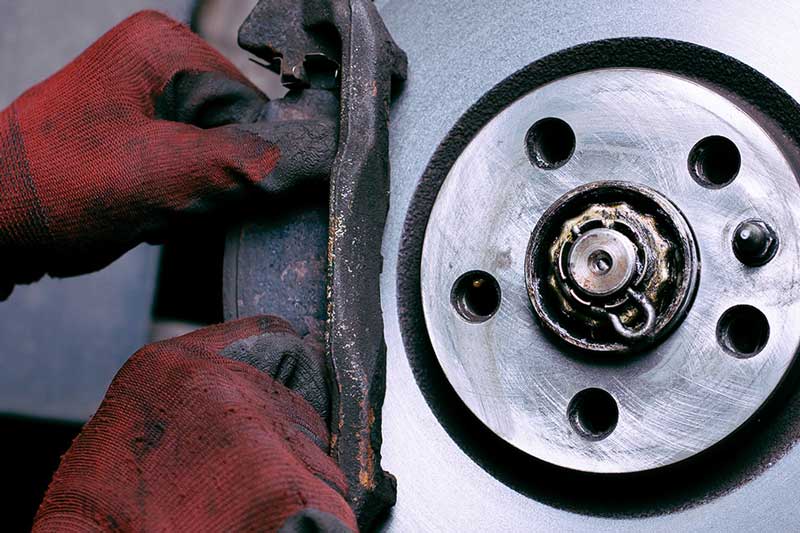
Your brakes are the most critical safety systems on your GMC truck or SUV, especially for driving in the heavy traffic, busy roads, and ever-changing weather in Mansfield, Massachusetts. Whether you drive a Sierra, Yukon, or Canyon, understanding the basics of GMC brake care can help you stay safe, avoid costly repairs, and keep your vehicle performing at its best. Here are answers to some of the questions we hear most often: How Do I Know When My GMC Needs Brake Service? The most common sign that your GMC needs attention is a high-pitched squealing sound when you press the brake pedal. This is often caused by a built-in wear indicator on your brake pads. Other warning signs include a grinding noise, a soft or spongy pedal feel, vibration when braking, or a vehicle that pulls to one side. That grinding sound in particular indicates metal-on-metal contact, so your brake pads may have worn completely, and rotor contact is occurring. If you notice any of these, schedule GMC brake service as soon as possible before your brake warning light comes on. How Often Should I Have My Brakes Inspected? A good rule of thumb is to have your brakes inspected at least once a year or every 12,000 miles, whichever comes first. If you frequently tow, haul heavy loads, or drive in stop-and-go traffic as a lot of GMC drivers do, you may need more frequent inspections. Your driving habits have a big impact on how quickly brake components wear down. Drivers in Mansfield who deal with winter road conditions may also want to check their brakes more regularly, as road salt can accelerate wear on brake hardware. What Parts Make Up My GMC's Brake System? Your brake system includes several key components that work together to slow and stop your vehicle. These include brake pads, rotors, calipers, brake lines, and brake fluid. Brake pads press against the rotors to create the friction that slows your GMC down. Over time, pads wear thin and rotors can become warped or grooved. Calipers squeeze the brake pads against the rotor and can seize, which causes that pulling to one side. A spongy brake pedal feel can mean brake fluid needs some attention. Can I Do Anything to Make My Brakes Last Longer? Yes, your driving habits play a big role in brake longevity. Avoid aggressive braking whenever possible by leaving extra space between you and the vehicle ahead. Slowing down gradually puts less stress on your brake pads and rotors. If you drive a larger GMC like a Sierra HD or Yukon, keeping your cargo and towing loads within the vehicle's rated capacity also helps reduce brake strain. Checking your brake fluid level periodically is another simple step that supports overall brake health. Is Brake Fluid Something I Should Pay Attention To? Absolutely. Brake fluid is often overlooked, but it plays a vital role in how well your brakes respond. Over time, brake fluid absorbs moisture, which can reduce its effectiveness and lead to a soft pedal feel. It can cause internal corrosion and it also reduces stopping power in hard braking due to a lower boiling point. Most manufacturers recommend flushing and replacing brake fluid every 2 to 3 years. If your brake warning light comes on or your pedal feels different than usual, have the fluid level and condition checked right away as part of your GMC brake service. Why Should I Have My Brakes Serviced at a GMC Dealer? GMC Certified Service is backed by factory-trained professionals who can properly inspect, diagnose, and service your braking system. Technicians who specialize in GMC vehicles understand the specific brake specifications and components used in each model. Using GMC parts and following the correct procedures ensures your brakes perform the way they were designed to. Visit Vachon GMC Mansfield for Expert Brake Service Taking care of your brakes is simple. Staying alert to warning signs, maintaining good driving habits, and scheduling regular inspections are the pillars of responsible GMC brake care. When it is time for a professional look, the team at Vachon GMC of Mansfield is here to help. Stop in or schedule your brake service appointment online today. {
"@context": "https://schema.org",
"@type": "FAQPage",
"mainEntity": [{
"@type": "Question",
"name": "How Do I Know When My GMC Needs Brake Service?",
"acceptedAnswer": {
"@type": "Answer",
"text": "The most common sign that your GMC needs attention is a high-pitched squealing sound when you press the brake pedal. This is often caused by a built-in wear indicator on your brake pads. Other warning signs include a grinding noise, a soft or spongy pedal feel, vibration when braking, or a vehicle that pulls to one side."
}
},{
"@type": "Question",
"name": "How Often Should I Have My Brakes Inspected?",
"acceptedAnswer": {
"@type": "Answer",
"text": "A good rule of thumb is to have your brakes inspected at least once a year or every 12,000 miles, whichever comes first."
}
},{
"@type": "Question",
"name": "What Parts Make Up My GMC's Brake System?",
"acceptedAnswer": {
"@type": "Answer",
"text": "Your brake system includes several key components that work together to slow and stop your vehicle. These include brake pads, rotors, calipers, brake lines, and brake fluid."
}
},{
"@type": "Question",
"name": "Can I Do Anything to Make My Brakes Last Longer?",
"acceptedAnswer": {
"@type": "Answer",
"text": "Yes, your driving habits play a big role in brake longevity. Avoid aggressive braking whenever possible by leaving extra space between you and the vehicle ahead. Slowing down gradually puts less stress on your brake pads and rotors. Checking your brake fluid level periodically is another simple step that supports overall brake health."
}
},{
"@type": "Question",
"name": "Is Brake Fluid Something I Should Pay Attention To?",
"acceptedAnswer": {
"@type": "Answer",
"text": "Over time, brake fluid absorbs moisture, which can reduce its effectiveness and lead to a soft pedal feel. It can cause internal corrosion and it also reduces stopping power in hard braking due to a lower boiling point. Most manufacturers recommend flushing and replacing brake fluid every 2 to 3 years."
}
},{
"@type": "Question",
"name": "Why Should I Have My Brakes Serviced at a GMC Dealer?",
"acceptedAnswer": {
"@type": "Answer",
"text": "GMC Certified Service is backed by factory-trained professionals who can properly inspect, diagnose, and service your braking system. Technicians who specialize in GMC vehicles understand the specific brake specifications and components used in each model. Using GMC parts and following the correct procedures ensures your brakes perform the way they were designed to."
}
}]
}